
How to Prepare Your Property for Effective Package Management
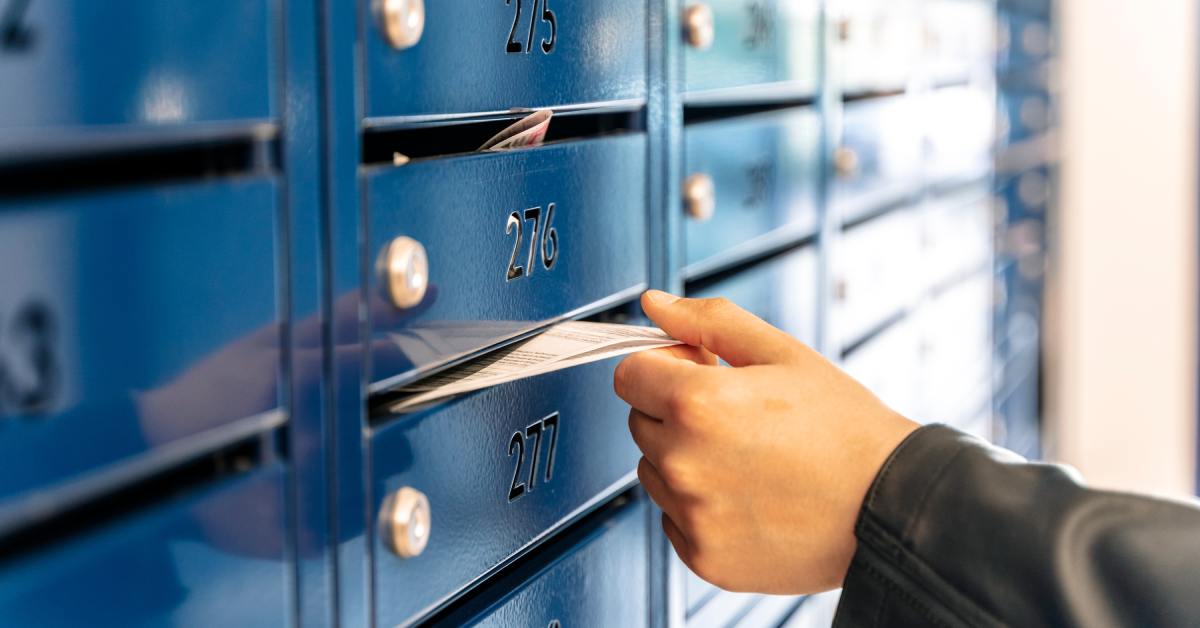
Online shopping has reshaped how people interact with their homes and workplaces. Packages arrive daily, sometimes hourly, and properties that are not prepared can quickly become overwhelmed. From lost deliveries to cluttered lobbies and frustrated residents or tenants, poor package management creates avoidable problems. Knowing how to prepare your property for effective package management is no longer just a luxury; it is an operational necessity that directly affects satisfaction, security, and efficiency.
Whether you manage a residential community, mixed-use building, or commercial property, thoughtful preparation can transform package handling from a pain point into a streamlined, reliable system. The process starts with understanding demand and extends through layout design, security planning, and clear communication.
Understanding Your Property’s Package Volume
Before making changes, it is essential to understand how many packages your property actually receives and when they arrive. Package volume varies widely based on property type, tenant demographics, and location. A student housing complex will experience very different delivery patterns than a suburban office park or luxury apartment building.
Tracking deliveries over several weeks provides valuable insight. Note peak delivery days, common carriers, and the average size of packages. This information helps determine how much space you need and what type of package management solution will work best. Without this baseline, properties often either underbuild systems that fail immediately or overinvest in features that go unused.
Designing Dedicated Package Areas
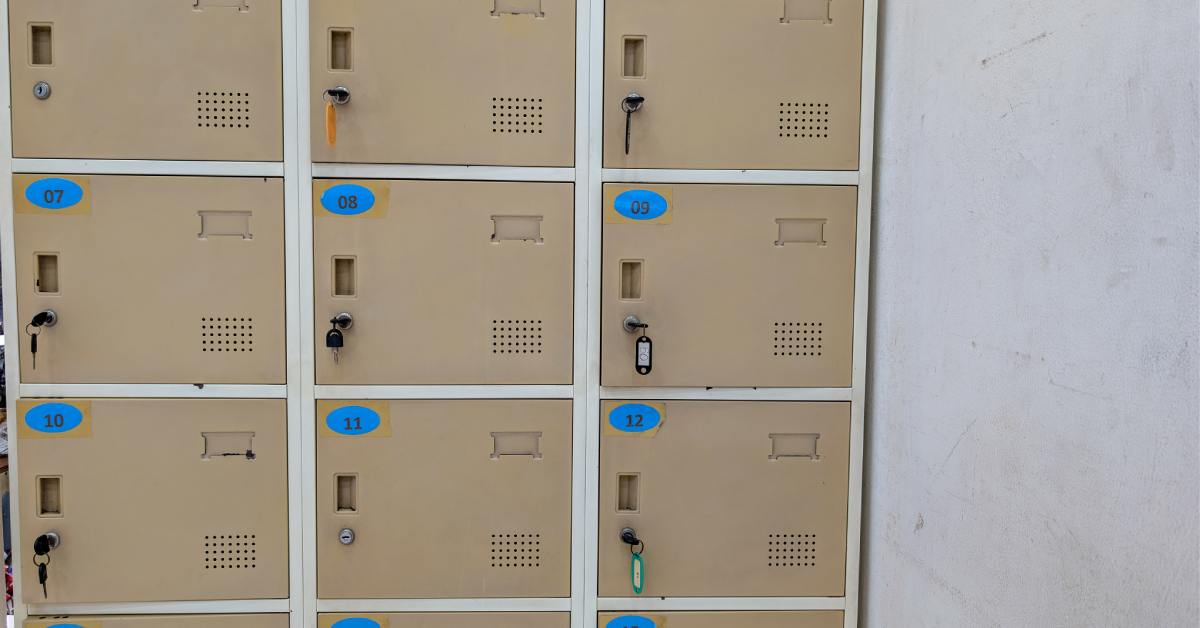
One of the most important steps in preparing a property for package management is allocating the right physical space. Packages should never spill into hallways, leasing offices, or shared amenity areas. A dedicated package room or zone reduces clutter and creates a predictable process for both staff and carriers.
The space should be easy to access for delivery drivers while remaining controlled and secure. It must also accommodate a range of package sizes, from small envelopes to oversized boxes. Adequate lighting, clear pathways, and durable surfaces all matter, especially as volume increases. A well-designed package area sends a signal that the property is organized and prepared.
Prioritizing Security and Access Control
Packages are valuable, and unsecured delivery areas invite theft and damage. Security should be built into your package management plan from the start, not added as an afterthought. Controlled access points, cameras, and clearly defined entry procedures help protect deliveries and reduce liability.
Access control should balance safety with convenience. Residents or tenants should be able to retrieve packages easily without compromising the integrity of the space. For staff-managed properties, clear protocols for who can enter the package area and when are critical. Strong security reduces disputes, improves trust, and protects the property’s reputation.
Planning for Staff Involvement and Workflows
Not all package management systems are fully automated. Many properties rely on staff to receive, log, store, and distribute packages. If that is the case, workflows must be clearly defined and realistic. Without planning, package handling can quickly overwhelm front office teams and distract from higher-value tasks.
Consider how packages will be accepted, recorded, and organized. Think through what happens during peak delivery hours and what coverage looks like when staff members are absent. Even properties moving toward automation benefit from documenting workflows so everyone understands their role and responsibilities.
Integrating Technology Where It Makes Sense
Technology plays a growing role in package management, but it should support your property’s needs rather than dictate them. Digital logging systems, access-controlled lockers, and notification platforms can dramatically improve efficiency and reduce errors. However, technology is only effective when it aligns with actual delivery volume and user behavior.
When preparing your property, think about how residents or tenants prefer to receive notifications and how comfortable they are using self-service systems. Seamless integration with existing property management software is also important. The goal is to reduce friction, not introduce new complications.
Establishing Clear Carrier Procedures
Delivery drivers interact with your property daily, yet they are often overlooked in planning. Clear instructions for carriers improve consistency and reduce misdelivered or abandoned packages. Signage, designated drop-off points, and simple guidelines help drivers complete deliveries quickly and correctly.
Consistency benefits everyone involved. When carriers know exactly where to go and what to do, staff interruptions decrease and package areas remain organized. Over time, strong carrier relationships can significantly improve overall package handling performance.
Communicating Expectations to Residents or Tenants
Even the best package management system will fail if users do not understand how it works. Clear communication sets expectations and prevents confusion. Residents or tenants should know where packages are delivered, how they are notified, and how long items can remain uncollected.
Communication should happen at move-in and be reinforced periodically, especially during high-volume seasons. When expectations are clear, complaints decrease and accountability improves. Transparency also helps users appreciate the effort the property has invested in managing deliveries effectively.
Preparing for Seasonal and Peak Demand
Package volume is not static; holidays, promotions, and special events can cause sudden spikes that overwhelm unprepared properties. Planning for peak demand is a critical part of preparation. Temporary overflow solutions, extended pickup hours, or adjusted staffing schedules can make a significant difference.
Thinking ahead allows properties to maintain service levels even during stressful periods. Residents and tenants remember how smoothly things run when volume is high, making seasonal performance a key driver of satisfaction.
Evaluating Long-Term Scalability
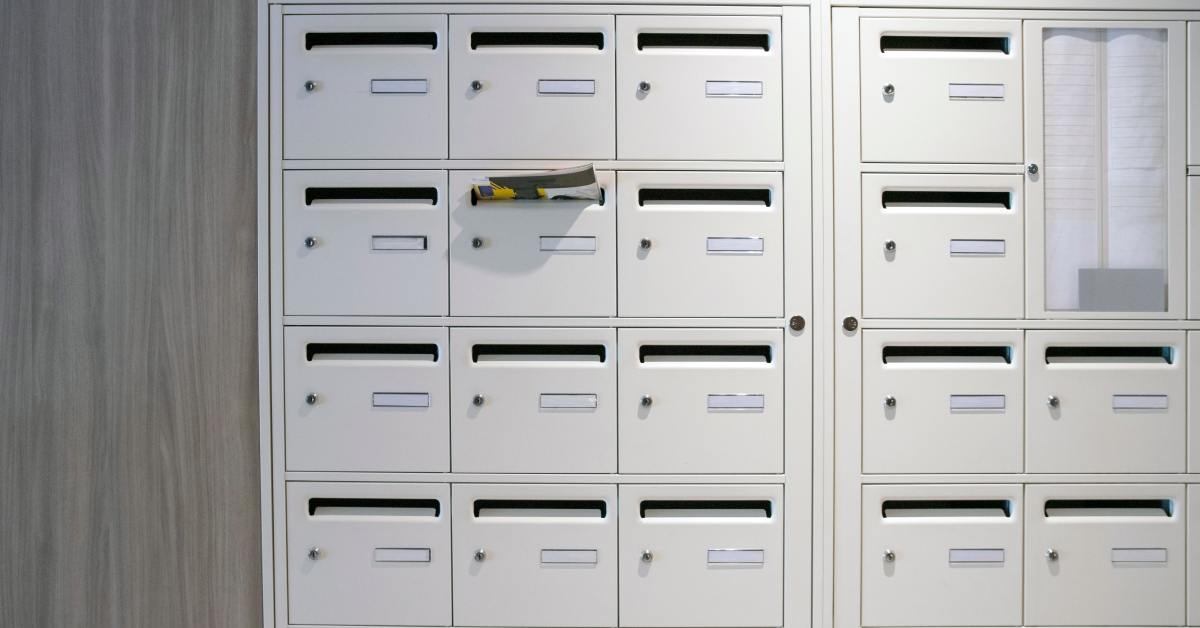
Package volume is unlikely to decrease over time. As e-commerce continues to grow, properties must think beyond immediate needs and plan for scalability. Systems that work today should still function effectively as volume increases.
This may influence decisions about space allocation, technology investments, or building renovations. Scalable planning reduces the need for constant adjustments and ensures that package management remains sustainable as expectations evolve.
Creating a Better Overall Experience
At its core, package management is about experience. Efficient delivery handling reduces frustration, builds trust, and enhances daily life for residents and tenants. Preparing your property thoughtfully turns package management into a competitive advantage rather than a recurring problem. By understanding volume, designing proper spaces, prioritizing security, and communicating clearly, properties can create systems that work smoothly behind the scenes. The result is a more organized, secure, and user-friendly environment that supports modern living and working habits.
If you need to enhance your property’s mailing infrastructure with CBU mailboxes and other postal equipment, Postal Supply is here provide you with what you require. Contact us today and we’ll be happy to help you find the perfect solution for your building’s needs.