
How To Relocate a Community Mailbox the Right Way

As a property manager at an apartment complex or a developer overseeing a new housing project, the current community mailbox may be inefficient or inaccessible. If mailbox relocation is necessary, it’s important to note that the process involves detailed planning, compliance with ADA (Americans with Disabilities Act) and USPS regulations, and considering user convenience.
Understanding how to relocate a community mailbox the right way can save you time, prevent costly mistakes, and maintain smooth mail delivery services. Go over every part of this process, from planning the move to securing approval and preparing the new site, to tackle this task with confidence.
Why Would You Relocate a Community Mailbox?
First, determine the situations when moving postal structures are necessary.
- Changes in property layout: When a property undergoes renovations or redesigns, the current location of the mailbox may no longer fit the updated layout or aesthetic.
- Increasing accessibility: A poorly placed mailbox might not meet the accessibility needs of all residents, requiring relocation to a more convenient or ADA-compliant site.
- Security concerns: Relocating the mailbox to a more visible or secure area can reduce theft or unwanted tampering of mail.
- Improving mail delivery efficiency: Mail carriers may face challenges accessing the current mailbox location, making relocation necessary to simplify their daily routes.
Step 1: Understand USPS Requirements and Local Guidelines
The United States Postal Service (USPS) has specific regulations governing the placement of community mailboxes. Therefore, the first step is to align your plan with their guidelines. Ignoring these requirements can lead to delays in mail delivery or a rejection of the relocation request altogether.
Review USPS Regulations
The USPS requires that community mailboxes, also known as cluster mailbox units (CBUs), have positions in locations easily accessible to mail carriers. This includes establishing clear pathways. The area must provide direct access without obstructions like shrubs, fences, or parked cars. Be sure to avoid areas prone to flooding or extreme winter conditions, so mail carriers can easily reach the CBUs.
For mailbox units guaranteed to comply with USPS regulations, acquire them from a reputable provider like Postal Supply. We adhere to safety and accessibility standards by offering USPS-approved CBU mailboxes. These products are advantageous because they:
- Consist of weather-resistant materials.
- Have a weather protection hood.
- Include robust tenant locks and keys.
- Feature a sturdy pedestal that meets USPS regulations.
Local Zoning and HOA Regulations
Many municipalities and homeowners’ associations (HOAs) have additional policies regarding where to install community mailboxes and how. Check for setback requirements designating how far the mailbox must be from streets or driveways.
Likewise, factor in aesthetic considerations. HOAs may request specific designs or placement to maintain the neighborhood’s aesthetic appearance.
Step 2: Engage With Relevant Stakeholders
Relocating a community mailbox impacts several groups, so involving relevant stakeholders is important. Contact:
- A USPS postmaster or an authorized representative to review, approve, and finalize the relocation request.
- Property residents, so they’re informed throughout the process. Conduct a meeting or survey to gather feedback and their approval of the new mailbox location.
- Local government or HOA representatives to gain their approval for zoning compliance or aesthetic purposes.
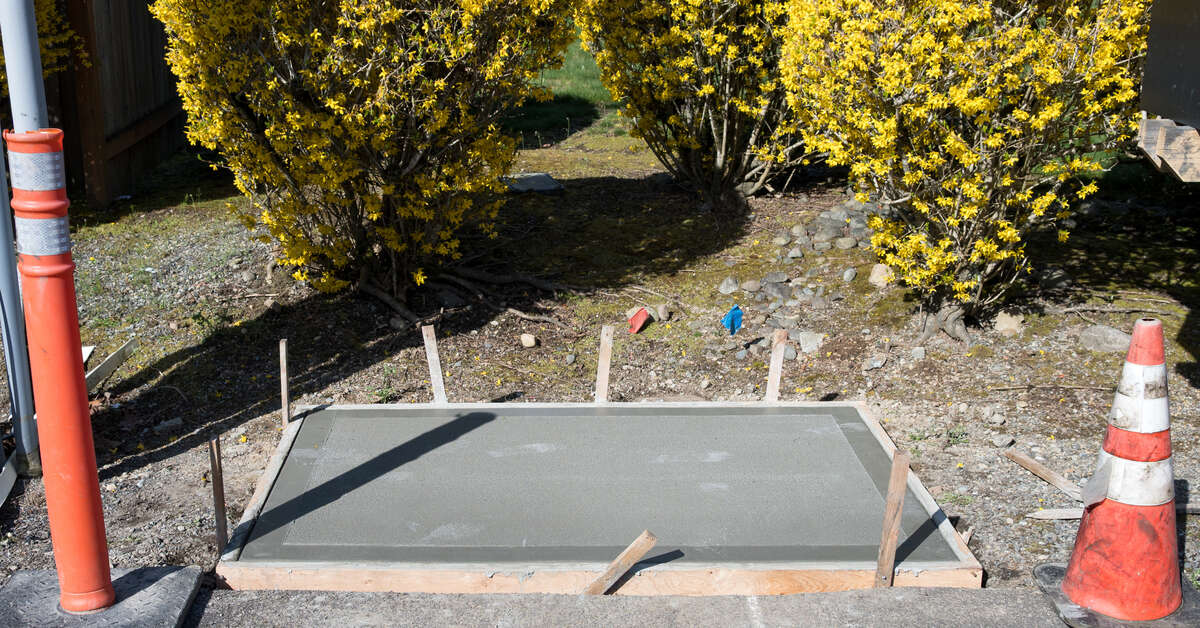
- Experienced contractors who understand USPS and ADA requirements can help you execute the project, from pouring concrete to marking pathways.
Step 3: Choose a New Location
Selecting the right location for a community mailbox is imperative for its functionality. You must consider the mailbox’s accessibility, security, and weather resistance.
Accessibility
The new mailbox should be easily reachable for all residents. Factors to consider include:
- Making sure the mailbox is near residences or high foot-traffic areas.
- Providing paved paths that lead to the mailbox to accommodate strollers, wheelchairs, and bicycles.
- Ensuring adequate space for vehicles to park nearby, so residents can pick up their mail.
Security
Mailboxes are hubs for sensitive information. Look for areas with adequate lighting, like under streetlights or in well-lit courtyards. A highly visible space is necessary, too, to deter mail theft or vandalism.
Weather Protection
Consider environmental factors, especially if your area experiences extreme heat, rain, or snow. Weigh options like shaded areas or installing additional coverage to protect residents and mail carriers from the elements.
Step 4: Secure Approvals and Documentation
Once you select the new location, obtain all necessary approvals before proceeding. Submitting a relocation request involves different steps depending on your jurisdiction, but generally includes the following steps.
USPS Approval
USPS compliance is of utmost importance. Submit a written request directly to your local USPS postmaster that includes:
- A detailed map or site plan outlining the proposed new location.
- Photos showing the current site and the selected relocation spot.
- A written explanation for the move and how the new mailboxes will adhere to USPS guidelines.
Resident Communication
Once approvals are in place, formally notify residents of the new mailbox location and installation schedule. Clearly communicate how long the relocation process will take and provide temporary mailing solutions if necessary.
Step 5: Prepare and Install the New Mailbox

With all approvals secured, the time comes to begin the physical relocation process. Use these steps to prepare the site for optimal results:
- Have the mailbox installed according to USPS guidelines regarding minimum height requirements, proper spacing for each unit, and secure footing.
- Install security features like motion-sensitive lighting and security cameras near the unit.
- Test accessibility to ensure residents of all abilities can access the mailbox comfortably.
- Make any adjustments before finalizing the setup.
Step 6: Conduct a Final Inspection and Inform Residents
What should you do upon the completion of the relocation project? Your last actions in relocating a community mailbox the right way include:
- Notifying residents about the mailbox relocation.
- Sharing key details such as the exact address of the new mailbox
- Providing a detailed frequently-asked-questions list to address anticipated concerns, such as any changes in parcel delivery methods or key assignments.
The Final Word on Moving Mailboxes
Relocating a community mailbox may seem complicated, but approaching the task with a structured plan simplifies the process. You can avoid obstacles by understanding the regulations, engaging with stakeholders, and choosing a functional location that services people of all abilities. Your efforts will deliver effective mail service to your residents.