
Planning Your Mailbox Setup To Handle Package Volume

As more people enjoy the convenience of e-commerce and make numerous online purchases as an everyday occurrence, residential properties experience increases in package deliveries. The need to keep up with the growth in parcel arrivals gives property managers of apartments, townhouses, and more the opportunity to elevate their communities with more robust mailbox systems.
Instead of seeing increased package volume as a challenge, view it as a chance to implement solutions like cluster mailboxes that provide security, organization, and scalability. Planning your mailbox setup to handle package volume increases is a proactive step in guaranteeing your system functions well and meets postal needs in a way that provides seamless delivery experiences. Keep tenants happy, add value to your property, and simplify daily operations by preparing to incorporate a more robust, capable mailbox setup.
Understanding Package Volume Trends
To assess your property’s package needs, consider collecting data over several months. Look beyond mail and focus on package traffic in particular. Key factors to monitor include:
- What is the frequency ofpackagedeliveriesmadedaily or weekly?
- Are tenants ordering groceries, small items like books, or larger goods such as appliances or furniture?
- Do deliveries spike during the holiday season or other specific times of the year?
You might also involve tenants by conducting a survey to understand their shopping habits. Clear baseline data will help you plan a solution that can handle today’s needs and any future growth in package volume.
Choosing the Right Mailbox Configuration
When operating a multi-residential building, consider going for popular mailbox systems, such as cluster mailboxes. Also known as centralized mail delivery systems, these mailboxes provide a simple, scalable solution for organizing mail and packages in one secure, shared location. Here’s what to consider when choosing a configuration.
Box Size and Compartments
Cluster mailboxes approved by the United States Postal Service (USPS) come with a variety of configurations. Standard cluster mailboxes usually include individual compartments for letters and larger package lockers for deliveries that won’t fit into regular slots.Choosing this setupprovides you with sufficient compartments to house individual tenant mail andensure package lockers are roomy enough for a wide range of parcel sizes.
Pro Tip
Selecting more package lockers than you think are immediately necessary will accommodate surges during high-volume times like holidays.
Convenience Features

Make the most of your cluster mailbox system and simplify parcel management by investing in the following additions:
- Larger outgoing mail compartments
- Customizable numbering
- Integration with digital notification systems
Prioritizing Security for Tenants and Deliveries
Security is one of the primary concerns with package management, especially in urban areas or properties with high tenant turnover. A well-designed cluster mailbox system can eliminate “porch piracy” and relieve and reassure tenants expecting valuable packages.
Tamper-Proof Features
Look for mailboxes designed with durable, heavy-duty materials such as aluminum or stainless steel. High-security locks and tamper-resistant panels should be non-negotiable when selecting models. For added protection, some cluster mailboxes include anti-pry locking mechanisms.
Video Surveillance Integration
If your property doesn’t already have security cameras, now is a great time to install them near mailbox locations. Cameras discourage theft and vandalism by increasing visibility. Make sure tenants and delivery staff know that surveillance is active—you can place clearly marked signs notifying them of this.
Accessibility
Secure systems shouldn’t make life harder for tenants or delivery carriers. Double-check that the centralized mailbox location is accessible for authorized users only while still adhering to the Americans with Disabilities Act’s (ADA) compliance regulations. Position your mailboxes in a well-lit, weather-protected area to enhance both safety and usability.
Complying With USPS Regulations
Installing cluster mailboxes is about regulatory compliance as much as it’s about aesthetics and convenience. USPS has specific guidelines for centralized delivery systems, and failure to adhere to these can create delays or disruptions in mail services. You can obtain USPS-approved visible, secure cluster mailboxes from a reputable supplier, like Postal Supply. Our traditional CBU mailboxes align with USPS standards for size, security, and durability, and they make mail and package deliveries and retrievals efficient and safe for postal professionals and tenants.
Optimizing for Tenant Satisfaction
Your tenants are the ultimate beneficiaries of a well-planned mailbox system. Making convenience and usability a priority will reduce the likelihood of lost packages and elevate your property’s reputation as a secure, tenant-focused community.
Centralized and Accessible Location
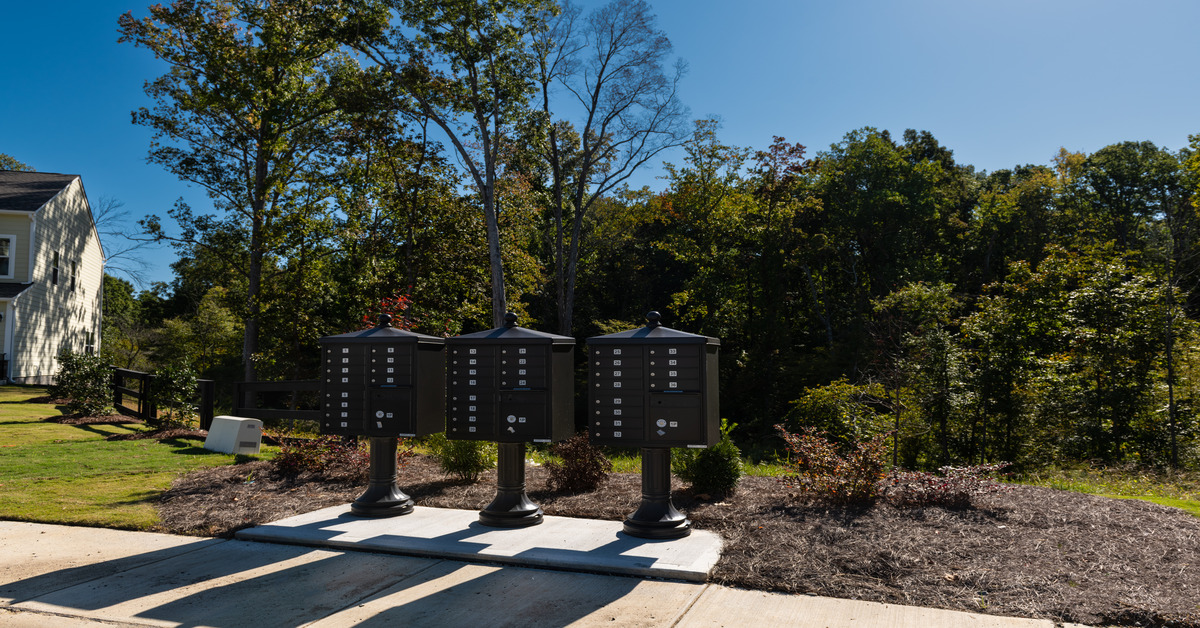
Choose a location that tenants can easily reach, whether on foot or by car. This is especially important for larger residential properties where there may be considerable distance between residents. Account for this by placing mailboxes in communal areas, near leasing offices, or around other frequented points on the property.
Shared Guidelines
Help tenants understand the advantages and proper use of shared mailboxes by providing clear information in welcome packets or newsletters. Include tips on how to retrieve packages promptly and how to report issues, such as damaged mail slots or suspicious activity.
Planning for Long-Term Sustainability
The initial investment in cluster mailboxes will likely pay off through reduced administrative burden and better package management overall. But to maximize this benefit, plan for long-term maintenance and scalability.
Routine Maintenance
Over time, exposure to environmental elements and wear and tear can lead to alignment issues or weakened locking mechanisms, especially in high-traffic communities. Schedule regular inspections to ensure locks, hinges, and internal compartments work as expected.
Room for Growth
If you anticipate growing occupancy in the future, design your mailbox setup with scalability in mind. Modular units allow for gradual expansion without requiring a complete overhaul. Planning for growth upfront will save you significant costs later.
Environmental Considerations
The choice of mailbox material and placement can improve sustainability. Weather-resistant, recyclable materials like powder-coated aluminum minimize environmental impact without sacrificing performance. Additionally, offering recycling bins near mailboxes for discarded packaging benefits the planet and your tenants.
The Upsides for Property Managers
Planning your mailbox setup to handle package volume can reduce staff labor costs associated with handling tenant packages, improve tenant satisfaction, and minimize liability risks from lost or stolen deliveries. Plus, a secure mailbox system can be a valuable selling point for prospective tenants—they’ll appreciate knowing their online orders are safe and organized.
Ultimately, cluster mailboxes come with benefits that prove why they’re becoming a standard for multi-residential properties as package deliveries continue increasing. With thoughtful planning, you can ensure your mailbox setup meets package volume demands while addressing security, compliance, and tenant convenience head-on, leaving everyone satisfied.