
A Guide to Choosing the Right Mailboxes for a New Development

Selecting mailboxes for a new development may seem like a small part of the complete project, but it’s integral for a functional, well-designed community. With various considerations, such as regulatory compliance, security, and design, choosing the right mailboxes for a new development is a decision that requires careful thought.
Make an ideal choice that matches the specific needs of your incoming development by examining the different types of mailboxes available and exploring key factors involved in the decision-making process.
Types of Mailboxes for New Developments
First things first, let’s delve into the types of mailboxes you may select for a residential building.
Wall-Mounted Mailboxes
Wall-mounted mailboxesattach directly to an exterior or interior wall. They’re suitable for smaller developments or homes with their own designated mailbox areas.Thesemailboxeshave many advantageous features, such as:
- They’re cost-effective and easy to install.
- They come in variousdesigns and finishes.
- They’re ideal for single-unit homes or smaller buildings.
Cluster Box Units (CBUs)
CBUs are a type of centralized mail delivery system that houses multiple compartments within a single unit.Unlike wall-mounted mailboxes, CBUs better suit highly occupied developments, including apartment complexes, townhomes, condominiums, and planned communities with multiple residences.

These mailboxes oftenhave individual mail slots, larger parcel lockers, and outgoing mail drop-offs. Additional beneficial features include:
- Lockable doors for each compartmentthat make them highly secure.
- Space savings for high-density developments.
- Centralized location for convenience.
Leverage the benefits of these robust mail solutions by acquiring central mailbox units from a trustworthy supplier like Postal Supply. Browsing available options guarantees you’ll find a mailbox approved by the United States Postal Service (USPS) that aligns with its guidelines. These highly visible, secure mail solutions provide safe, efficient mail deliveries and retrievals for delivery professionals and tenants.
Parcel Lockers
Parcel lockerssupportpackage delivery.You can have them integratedinto CBUs or use them as separate add-ons to accommodate deliveries that don’t fit into standard-sized mail compartments.These mailbox types work best for developments with higher e-commerce activity or those seeking to future-proof their mail systems.
Freestanding Mailboxes
Freestanding mailboxes include traditional curbside mailboxes or larger locking units for commercial or rural properties.These mailboxes see more usage in rustic developments or communities with enough space to allow curbside placement.
Like the other mailbox types, they come with upsides, such as customizable colors and styles and easy access to mail deliveries. Freestanding mailboxes are also suitable for individual properties.
Factors To Consider When Choosing a Mailbox
Now that you can differentiate the types of mailboxes, evaluate the following aspects of incorporating mailboxes into the development you’re building.
Regulatory Compliance
One of the most critical first steps is ensuring the mailboxes meet the required standards. Local and national postal services, such as USPS, have specific regulations regarding mailbox dimensions, locking mechanisms, and accessibility.
For multiunit developments, centralized mail delivery setups, such as cluster mailboxes, are often mandated. Noncompliance with these regulations can lead to inefficiencies in mail delivery or enforcement issues in the future.
Security Features
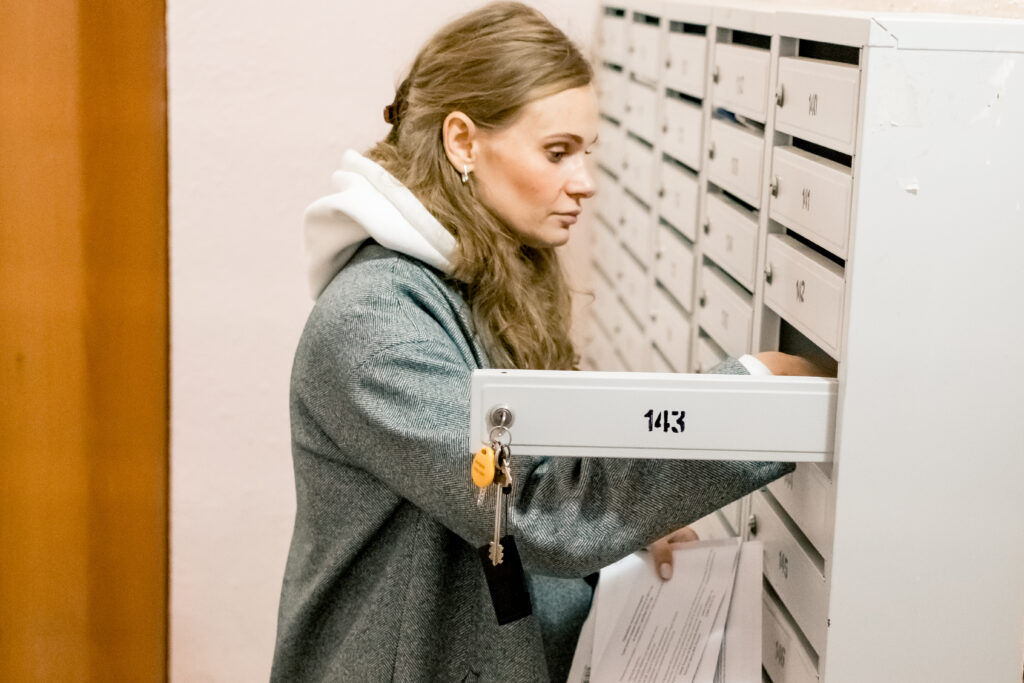
Mailboxes should have robust security features that safeguard mail and parcels from theft or vandalism, such as secure locking mechanisms, tamperproof designs, and weather-resistant locks.
These componentsmake CBUs, for instance,more secure compared to stand-alone mailboxes. Another factor that makes CBUs a safe option is that you can place them near common walkways, parking areas, or clubhouses, discouraging unwanted activity near the mailbox and making access easy for residents and postal workers.
Capacity and Functionality
Remember that the size and capacity of the mailboxes should align with the expected volume of mail and parcels. With the rise of online shopping, packages form a major portion of incoming deliveries, so consider including parcel lockers to handle larger-sized items.
Durability and Materials
Just as carriers will deliver mail in all weather conditions, mailboxes must withstand various environmental elements as well. Materials like stainless steel, aluminum, and galvanized steel are common choices for mailboxes because they offer durability and rust resistance. Powder-coated finishes also help extend the mailbox’s life by preventing corrosion and fading.
If your development is in an area with harsh weather, look for mailboxes with weather-sealed construction to keep moisture and dirt out.
Aesthetic Appeal
One of themost fun parts of the mailbox-buying process is making sureyour mailboxes complementyour development’s architectural style. Whether you prefer a classic, modern, or rustic look, you can find mailbox designs in various styles, colors, and finishes. Customizing mailboxes to match the color palette or theme of the development is an opportunity to be creative and elevate your building’s overall aesthetic.
For example, you can use decorative housing or pedestal covers to blend centralized mailbox units with the overall community design.
Accessibility
Mailboxes should be easy for everyone to use, including residents with disabilities. For example, CBUs should have compartments at accessible heights to accommodate wheelchair users. Follow height and reach guidelines set by the Americans with Disabilities Act (ADA)and USPSto certify that yourmailbox compartmentsaren’t too high or low for residents to comfortably access.
Cost and Budget Planning
When planning your development, one of your most crucial tasks is to balance cost with quality and long-term maintenance. While premium mailbox materials may have higher upfront costs, they often require less maintenance over time. Additionally, bulk purchasing centralized mailbox units is generally more cost-effective than installing individual mailboxes for each unit.
Select Your New Mailboxes
Choosing the right mailboxes for a new development is about balancing functionality, durability, security, and aesthetic appeal. From centralized mailbox units to freestanding options, the type of mailbox you select should meet the unique needs of your development while adhering to regulatory guidelines.
By thoroughly weighing factors such as accessibility, capacity, and location as you explore mailbox options, you can enhance your residents’ experience and improve the overall community aesthetic with your selection.