

Designing Mailbox Areas for Accessibility

Well-designed mailbox areas serve as essential components in residential neighborhoods, office buildings, and public spaces. When accessibility is prioritized, these areas not only comply with legal standards but also foster inclusivity and convenience for all users, including those with mobility challenges. However, the design process requires attention to detail, a focus on universal design principles, and adherence to regulatory guidelines, such as the Americans with Disabilities Act (ADA), to ensure ease of use for everyone. Learn the different considerations you must keep in mind when designing mailbox areas for accessibility.
The Importance of Accessibility in Mailbox Areas
Accessibility is fundamental to creating spaces that accommodate the needs of diverse individuals. Mailbox areas should be inviting and functional, enabling people with mobility aids, such as wheelchairs or walkers, to use them without frustration.
Accessibility promotes equity by eliminating barriers, ensuring that people of all abilities can independently retrieve their mail. For businesses and communities, inclusive designs in mailbox areas reflect a commitment to social responsibility, enhancing reputation while fostering a sense of belonging for all users.
Legal and Regulatory Considerations
To design accessible mailbox areas, it is vital to consider regulations stipulated by the ADA and other relevant accessibility standards. Specific guidelines dictate the height at which mailboxes should be installed to ensure ease of use.
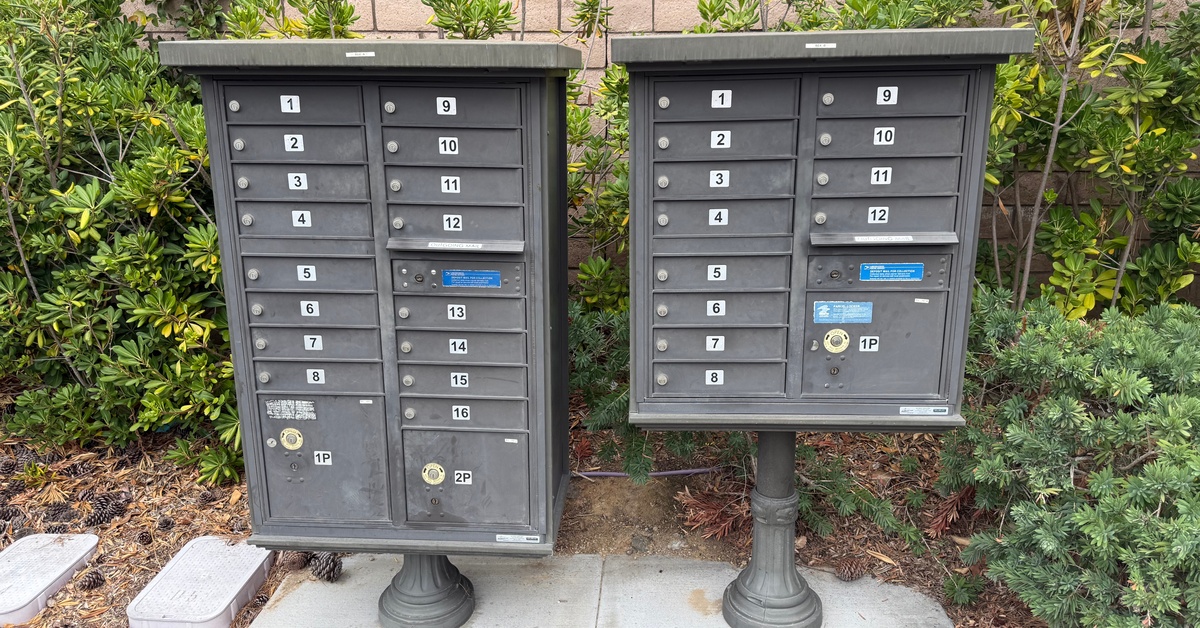
For instance, mail slots or compartments should not be placed higher than 48 inches or lower than 15 inches from the ground, ensuring that they are within reach for individuals who use wheelchairs. Proper maneuvering space is another crucial aspect, with adequate clearance provided to allow individuals to approach, retrieve, and depart from the mailbox area comfortably.
Beyond ADA standards, designers and property managers must also stay informed about local codes and ordinances that may impose additional requirements. Failing to adhere to these legal mandates not only risks penalties but also excludes essential members of the community.
Site Planning and Layout Design
A pivotal step in creating accessible mailbox areas is strategic site planning. Placement should prioritize convenience and proximity for all users, with mailbox clusters ideally located near parking areas, sidewalks, or building entrances. Smooth and level pathways leading to the mailbox area are critical to accommodating individuals with mobility challenges or visual impairments. Textured surfaces and clear demarcations help enhance safety and navigation.
When designing mailbox layouts, sufficient space between units should be allocated to allow multiple users to access their compartments simultaneously. Incorporating thoughtful spacing fosters seamless usability and minimizes congestion during peak times.
Optimal Height and Reach Ranges
Determining the height and reach ranges for mailboxes involves striking the right balance between accessibility and functionality. High-mounted compartments can pose challenges for individuals using wheelchairs, while low-mounted slots may lead to unnecessary strain for those who have trouble bending. Designers should aim for a uniform height that fits within ADA guidelines while considering ergonomic best practices to ensure usability by people of varying physical capabilities.
When utilizing cluster mailbox units, it is also helpful to designate certain boxes within an easily accessible range for users with specific mobility needs. Adapting to diverse reach ranges further strengthens inclusivity in mailbox design.
Incorporating Universal Design Principles
Universal design offers a forward-thinking approach to creating accessible mailbox areas that cater to the needs of all individuals, regardless of age, ability, or circumstance. By incorporating these principles, designers create functional and adaptable spaces for generations to come. Features such as lever-style handles, larger mailbox labels with contrasting colors, and good lighting all contribute to enhanced usability for individuals with physical or visual impairments.
Weather protection is another critical aspect. By ensuring adequate shelter or covering for mailbox areas, users are safeguarded from rain, snow, or excessive sunlight while retrieving their mail. A thoughtful and universally inclusive design goes beyond legal compliance to anticipate and meet diverse needs seamlessly.
Materials and Durability for Long-Term Accessibility
The materials for constructing mailbox areas should not only be durable but also contribute to overall accessibility. Surfaces should be slip-resistant to reduce fall risks and textured appropriately to support users who rely on tactile feedback for navigation. Rust-resistant and weatherproof materials ensure long-term sustainability while preventing deterioration that could hinder functionality.
Incorporating quality materials reduces maintenance burdens, ensuring that mailbox areas remain clean, accessible, and visually appealing over time. This is especially important in communal settings, where consistent use requires resilient construction that meets accessibility standards.
Lighting and Signage for Enhanced Usability
Effective lighting is a crucial element in mailbox area design, particularly for individuals with visual impairments. Adequate illumination ensures that all users can locate and access their mailboxes, even in low-light conditions. Energy-efficient LED lighting can offer consistent brightness, reducing glare to maintain a clear and comfortable field of view.
Signage also plays a key role in accessibility. Clear, easy-to-read labels indicating mailbox numbers or unit designations make navigation significantly easier. Adding braille alongside standard visual identifiers ensures inclusivity for users who are blind or have visual limitations. Well-thought-out lighting and signage create a sense of safety, usability, and inclusivity in shared spaces.
Addressing Parking and Pathway Accessibility
An accessible mailbox area is incomplete without considering the pathways and adjacent parking options. Reserved accessible parking near the mailbox area is essential for individuals who may have mobility challenges. These parking spaces must meet ADA regulations, offering wider stalls and easy access to pathways leading directly to the mailboxes.
Pathways themselves should be wide, level, and free of obstructions to prevent potential barriers for wheelchair users or individuals with other mobility aids. Installing ramps with gentle inclines and secure handrails further enhances ease of access. Pathway accessibility is not merely a functional requirement but a hallmark of thoughtful design.
Community Engagement and Feedback
When designing mailbox areas for accessibility, involving the community can provide valuable insights and ideas. Engaging directly with the people who will use the space ensures that designers account for specific needs or preferences. Input from stakeholders, including individuals with disabilities, fosters trust and collaboration while addressing potential concerns before construction begins.
Soliciting community feedback post-implementation helps refine the design and identify areas for further optimization. Ongoing dialogue with users underlines a commitment to creating inclusive and accessible spaces that evolve with the community’s needs.
Future-Proofing Accessible Mailbox Areas
Designing with the future in mind ensures that mailbox areas remain accessible as technology advances and community demographics shift. For example, integrating smart mailbox technology can offer new conveniences, such as app-based notifications for package deliveries. Similarly, accommodating larger compartments for the growing demand for parcel storage ensures practical longevity.
Future-proofing also involves regular maintenance and evaluation of mailbox areas to address wear and tear or evolving accessibility standards. Proactively adapting to changes helps maintain long-term usability and inclusivity for all.
Keep Everyone’s Needs in Mind
Designing mailbox areas for accessibility is an investment in inclusivity and usability. By adhering to regulatory guidelines, employing universal design principles, and engaging with the community, property owners and designers can create spaces that serve all individuals effectively. Such thoughtful designs not only promote independence but also foster a welcoming and equitable environment that meets the needs of everyone. Through attention to detail and ongoing maintenance, accessible mailbox areas can stand as enduring symbols of inclusivity and functionality.
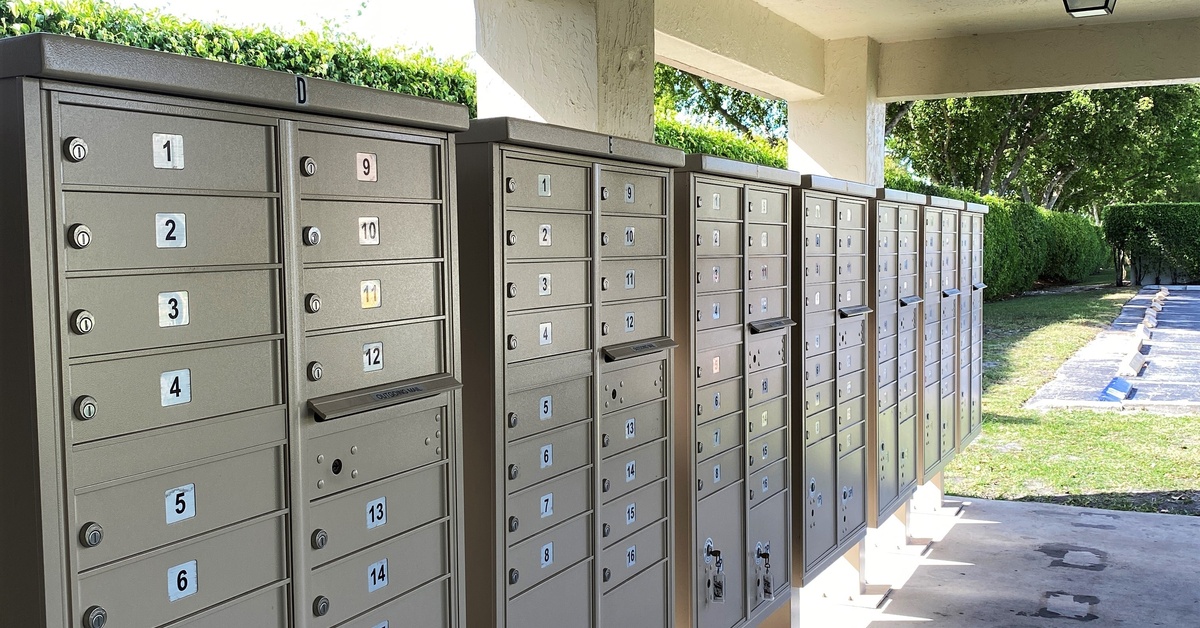
If you’re reevaluating your current mailbox setup, Postal Supply is here to provide you with the equipment you need to enhance your mailing area. Look through our selection of centralized mailboxes and find something that your tenants will appreciate.