

Comparing Different Mailbox Materials and Finishes

Selecting the appropriate mailbox involves more than just picking a style that complements your home. The material and finish determine how long a mailbox lasts, how much maintenance it needs, and whether it fits the location.
From robust metal to lightweight plastic to natural wood, each material has advantages. In addition, finishes, like powder coatings and paints, add layers of protection and aesthetic appeal. The following comparison of different mailbox materials and finishes can help homeowners and businesses choose the right postal solution for their property.
Common Mailbox Construction Materials
Steel
Steel mailboxes are strong and durable; they can handle heavy impact and resist tampering. This makes them an excellent choice for enhanced security.
Galvanized steel, for instance, features a zinc coating. It resists rust in wet or humid conditions.
Steel mailboxes are best for urban homes or commercial properties because the material is long-lasting and secure. Just keep in mind that it may require maintenance to prevent rust in areas with high moisture.
Aluminum
Aluminum offers a lightweight and rust-resistant alternative to steel. Its natural resistance to corrosion makes it ideal for areas with high humidity or salty air, such as coastal regions.
This material isn’t as strong or tamper-resistant as steel; it can dent more easily. Still, it provides sufficient durability for standard use.
It’s also lighter, making installation easier. In all, it’s ideal for coastal homes or households that demand low-maintenance mailboxes.
Plastic
Plastic mailboxes are affordable, lightweight, and resistant to rust and corrosion. Most of these mailboxes consist of high-density polyethylene, which can withstand prolonged exposure to UV rays without fading or cracking.
This rust-proof, low-maintenance choice is beneficial for suburban homes. Since these mailboxes are less durable and secure compared to metal options, they’re not the best choice if strength or tamper resistance is a concern.
Wood
Wooden mailboxes stand out for their charm. They add an upscale, timeless touch to homes with rustic or cottage aesthetics. Nevertheless, wood is less durable than metal. It’s susceptible to warping, rotting, and insect damage. Regular sealing or staining can extend its life, but wood mailboxes will demand maintenance over the years.
The Different Types of Mailbox Finishes
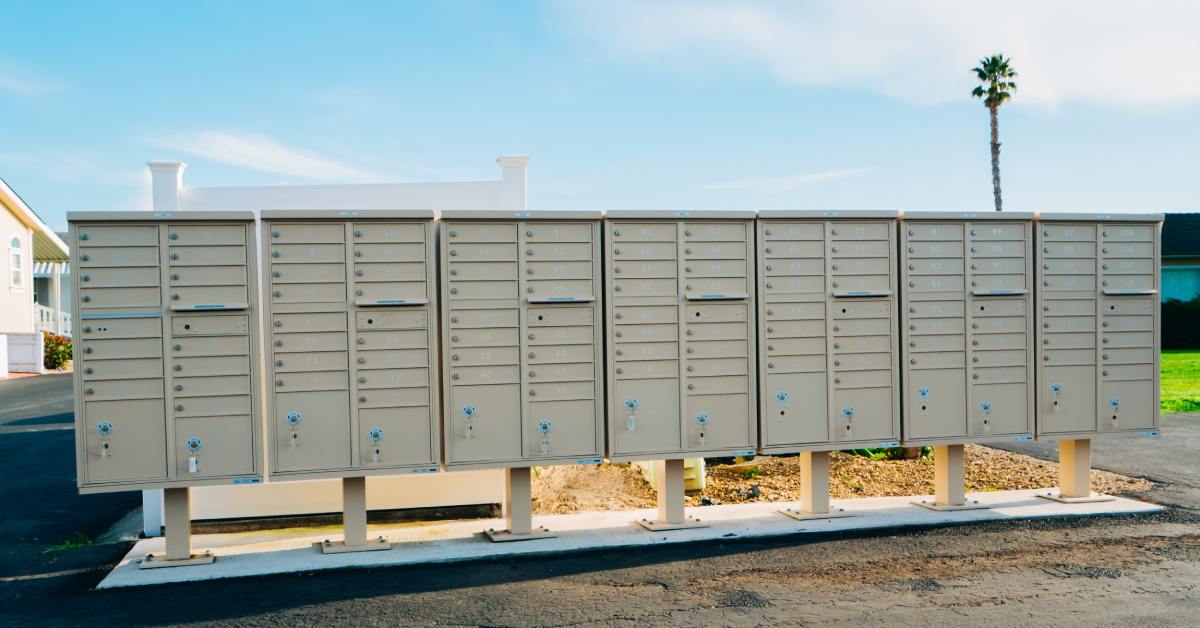
When comparing the different mailbox materials, the finishes matter just as much. High-quality finishes improve a material’s durability by protecting it against the elements.
Powder Coating
Powder coating is one of the most durable, environmentally friendly finishes available for mailboxes. The process involves applying a dry powder to the surface and baking it to form a hard, protective layer. This coat is resistant to chipping, scratching, and UV damage.
Additionally, it requires minimal maintenance. For this reason, they pair well with steel and aluminum mailboxes in areas exposed to harsh weather and direct sunlight regularly.
Painted Finishes
Painted finishes allow for endless customization when it comes to color and design. Many mailbox manufacturers use high-quality, weather-resistant outdoor paints to ensure the colors remain vibrant.
When you acquire traditional CBU mailboxes from a reputable provider like Postal Supply, you can have your pick of various painted finishes. Our decorative cluster units feature custom paint finishes in different colors that provide durability and security without sacrificing aesthetics.
Anodized Aluminum
Anodization involves electrochemically treating aluminum to increase its durability and corrosion resistance. It also creates a sleek, modern look that blends well with contemporary home designs.
Occasional cleaning is enough to maintain anodized finishes. Consider that while they are incredibly durable, they come with limited color options compared to painted or powder-coated finishes.
Natural Finishes
For wooden mailboxes, staining or sealing is the most common way to protect the material while preserving its natural texture. A clear sealant shields the wood from moisture, pests, and UV rays, making it better suited for outdoor use.
However, natural finishes require regular reapplication to maintain their effectiveness. Since these finishes highlight the natural beauty of wood, they look great on cottage-style homes and rustic properties.
Matching Materials and Finishes with Environments
Each material and finish performs differently based on the surrounding environment. Here’s how to choose the best combination for specific locations.
Coastal Areas
Homes near the coast face challenges such as salty air and high humidity, which can accelerate rust and corrosion. Aluminum mailboxes with powder coating are a solid choice here. The aluminum’s natural corrosion resistance, combined with a durable finish, ensures long-term reliability.
Urban Areas
City environments demand more robust structures to combat vandalism and weathering. Steel mailboxes with powder-coated finishes or painted finishes provide the necessary strength and protection. Their tough exterior makes them resistant to impact and weather conditions.
Rural Areas
For properties in rural areas, where aesthetic appeal might take precedence over durability, wooden mailboxes with sealed natural finishes work well. They blend beautifully with the surrounding landscape while offering decent protection when maintained properly.
Suburbs
Suburban homes often balance affordability with style. Plastic mailboxes are a practical option due to their lightweight design and resistance to rust. Combined with painted finishes, these mailboxes can offer an affordable yet attractive addition to homes.
Mailbox Maintenance Tips

Don’t install a new mailbox, allow it to degrade, and simply replace it years down the line. To get the most out of your investment, conduct routine maintenance. Start with regular cleaning using mild soap and water, since dust, dirt, or debris can dull the surface over time.
For steel or aluminum mailboxes, check for chips or cracks in the finish. Use paint or additional sealing to prevent rust and corrosion.
Apply a fresh coat of sealant or stain to wooden mailboxes annually to prevent rot or damage from pests. Then, lubricate moving parts. Hinges or locks can rust or stiffen over time, but a small amount of lubricant supports smooth operation.
Make the Right Choice
When choosing a mailbox, understanding the relationship between the material and finish is key. Steel and aluminum offer strength and weather resistance, while plastic and wood cater to specific styles or budgets.
Pair these materials with finishes like powder coating, paint, or natural sealants to enhance durability and add visual appeal. When you consider the environment, aesthetic preferences, and maintenance commitment, selecting a mailbox that meets all needs becomes simple.