

Commercial vs. Residential Mailboxes: What’s the Difference?

Most homeowners and building managers know that the mailbox is an essential feature of their properties in terms of functionality and aesthetics. The mailbox is a common touchpoint used daily, considering how common it is for residents and tenants to check their mail for letters, packages, and other items they expect to receive. Likewise, the appearance of this asset can impact your property’s curb appeal. While commercial and residential mailboxes have these things in common, they have some differences, too.
What’s the difference between commercial and residential mailboxes? Various defining features can influence the right choice when selecting a mailbox for a property, whether it’s a commercial building or a residential home. Your decision could impact accessibility, security, and aesthetics for you, your tenants, or your employees.
When you fully understandthe distinctions between commercial and residential mailboxes, you can make a more informed and confident choice that meets your property’s needs. Explore the crucial differences between commercial and residential mailboxes, from compliance guidelines to design features and functionality.
What Defines a Residential Mailbox?
Residential mailboxes aim to serve single-family homes, as determined by the standard designs and sizes they typically follow.These types of mailboxes are the kinds you see positioned curbside or near the home’s entrance. Residential mailboxes, while not usually as robust as commercial mail systems, still need to comply with USPS regulations for size and placement to guarantee mail delivery runs efficiently.
Popular Residential Mailboxes
Some popular options in residential mailboxes include:
- Freestanding units
- Mounted boxes
- Locking mailboxes
These options primarily allow for individual mail delivery, catering to a single address or household. While residential mailboxes may offer basic security, they don’t usually have extensive protective features like commercial units.Their simpler designs make them easier to install, maintain, and repair in most cases.
What Defines a Commercial Mailbox?
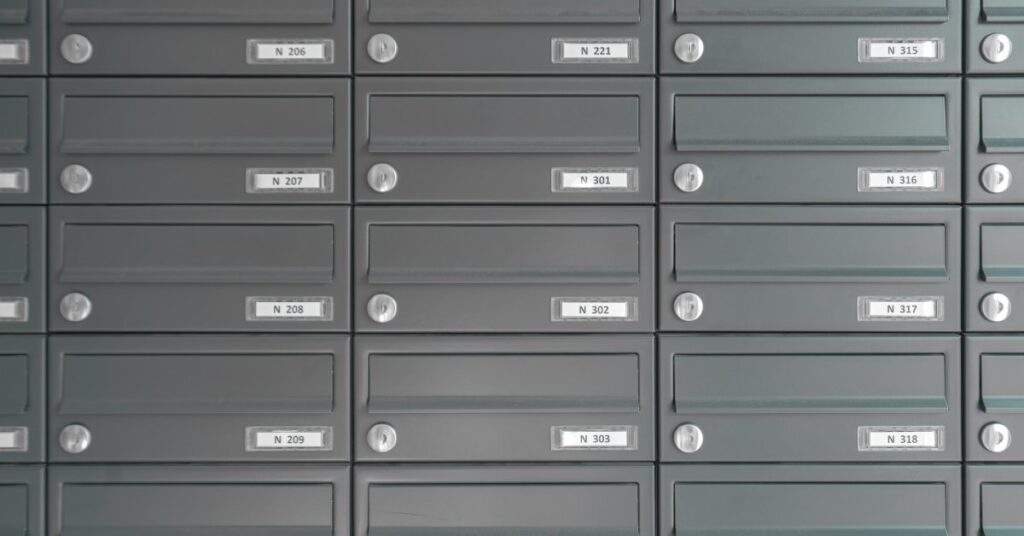
On the other hand, commercial mailboxes come with designs intended for multi-tenant buildings or business complexes. These centralized units often cater to many individuals, tenants, or businesses within a shared property. The most common example is a cluster box unit (CBU), which organizes individual compartments into one structured system.
If you’re a property manager seeking traditional CBU mailboxes for the building you operate, browse the options offered by a reliable source of various United States Postal Service (USPS)-approved mail systems, such as Postal Supply LLC. The CBU mailboxes you select from this supplier are:
- Accessible
- Durable
- Serviceable by postal workers
Their robust designs ensure they cansecure mail deliveries for numerous users while offering features like parcel lockers or collection slots for outgoing mail. Many of these units also accommodate larger quantities of mail or packages to suit business needs.
Most commercial mailbox designs allow them to integrate with property aesthetics while providing advanced security features such as anti-theft mechanisms, stainless steel materials, and secure locking systems.
Accessibility Guidelines for Mailboxes

One of the most critical distinctions between commercial and residential mailboxes is their adherence to accessibility regulations. Because many commercial mailboxes serve a larger group of people, they must follow specific compliance guidelines to meet the needs of all users.
For example, centralized commercial mail systems must comply with Americans with Disabilities Act (ADA) guidelines. These provisions ensure that tenants or employees can easily use their assigned mail compartments, regardless of physical ability. This includes specific mounting heights and ease of access for wheelchair users.
Most residential mailboxes only face the same level of stringent regulation if they’re part of a multi-home community. However, the placement of residential mailboxes still must align with USPS mandate requirements to ensure carriers can efficiently service them.
Aesthetic Considerations
The design and appearance of a mailbox play a key role in complementing the environment it serves. Residential mailboxes are often customizable, allowing homeowners to reflect their style or match their property’s aesthetic. Common personalized touches among residential installations include:
- Decorative designs
- Unique colors
- Engraved addresses
Commercial mailboxes, designed for shared use, typically have a more uniform and professional appearance, but many manufacturers offer customization options to help businesses maintain cohesive property design. For example, centralized mailboxes can come in different color options, decorative caps, or trims to integrate with architectural themes.
Whether a mailbox serves a business or a residence, attention to aesthetics ensures it looks tasteful while meeting function.
Security and Durability Are Central Concerns
Security is a significant factor influencing commercial mailbox construction. With multiple users relying on a single system, it must offer robust materials and advanced locking mechanisms to ensure mail safety. Many commercial units use stainless steel or heavy-duty materials to withstand tampering and weather conditions alike. Additionally, parcel lockers are in most commercial setups to protect package deliveries.
Residential mailboxes may include basic locking mechanisms for added security, but they don’t have to handle the same risk levels as their commercial counterparts. Instead, their primary purpose is to provide simple and convenient mail access for individual households.
Both options can incorporate durability through materials resistant to rust and corrosion. However, to select the appropriate level of protection, assess the user base and the mail system’s risk exposure.
Functionality Differences in Mail Systems
The intended environment of a mailbox can influence its functionality. For single-family homes, simplicity suffices. Homeowners are typically responsible for their mailbox’s maintenance and any necessary repairs.
Commercial mailboxes, by contrast, emphasize streamlined processes for numerous users. They can usually handle:
- Organized sorting of incoming mail for multi-addresses
- Parcel drop-offs
- Outgoing mail collection
This makes them ideal for office buildings or apartment complexes where efficiency and organization are critical. These systems are also more likely to include advanced features like directory signage, parcel lockers, or call buttons to enhance functionality for users within large complexes.
Key Takeaways for Property Managers and Homeowners
Selecting a mailbox system involves knowing the difference between commercial and residential mailboxes and balancing practical needs and factors such as:
- Compliance considerations
- Aesthetics
- Security levels
If you manage a large property, residential mailboxes that intend to serve mostly personal, small-scale purposes aren’t your best bet. For the best mailing solution for your building, rely on an expert mail system supplier like Postal Supply LLC to guide you in choosing traditional CBU mailboxes and incorporating features in them that are ideal for your bustling business complex.